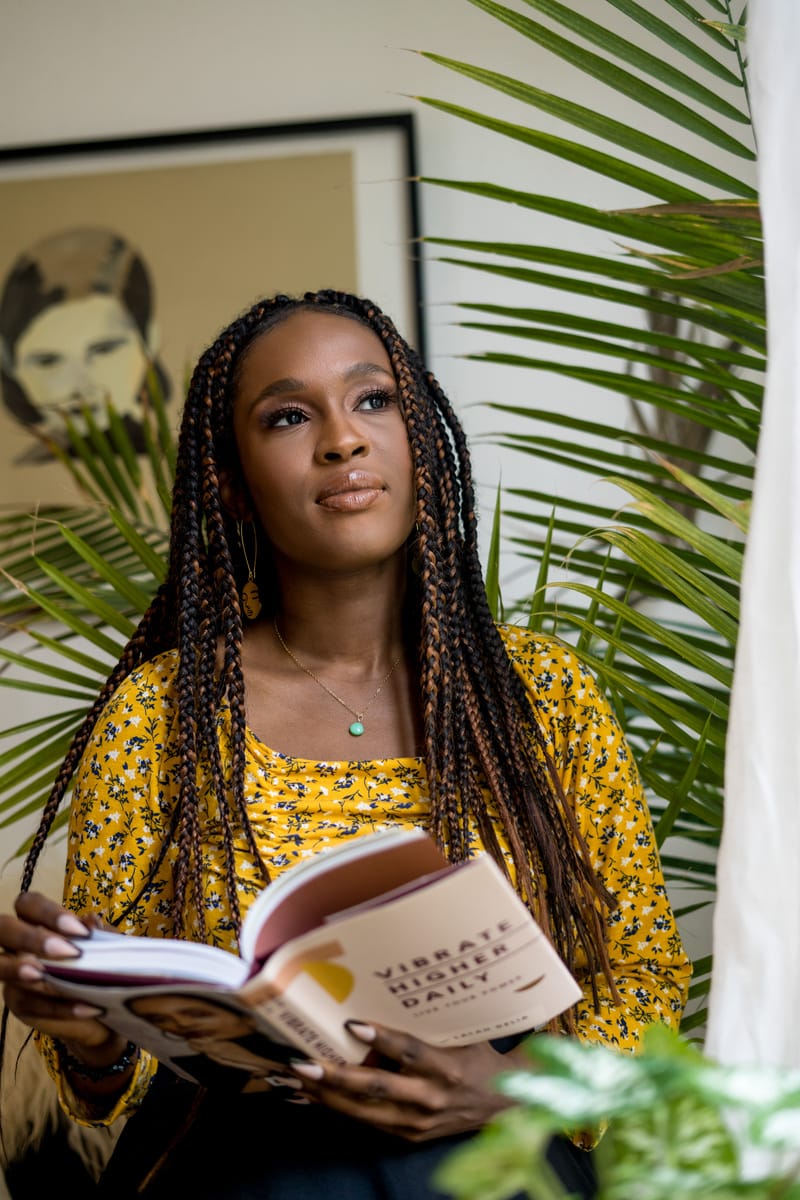
If it wasn’t obvious, I am a lover girl through and through. I have been obsessed with fairytales and rom coms since I was a wee babe and I read romance novels on a regular basis. So you can just imagine my shock and dismay when I catch up on Love Island Season 7 and go to watch The Materialists only to find myself deeply triggered and my romantic fantasies humbled by the reality of dating. I know that art often imitates life but with the absolute chaos ensuing in the world, I felt like it was fair to want to catch a break. Unfortunately, the universe laughed in my face and said “no.” As a result, today I will be sharing my thoughts on how The Materialists and Love Island USA showcase how systemic oppression have created conditions that are hostile to healthy romantic relationships which has implications for the long-term success of the collective liberation movement. I know that probably sounds like a reach but walk with me.
To start with, The Materialists follows the love life of a New York matchmaker, played by Dakota Johnson, as she navigates relationships with a wealthy private equity investor (Pedro Pascal) and her ex, a struggling actor/caterer (Chris Evans). I really loved the movie overall because of how well it captured the harsh reality of modern dating. From the illusion of choice created by dating apps and the reduction of people down to statistics (age, weight, height, income, etc) to the stress that finances put on relationships and the very real risk of sexual assault, The Materialists highlights all of the challenges that stand between the average person and a healthy loving relationship.
Unsurprisingly Dakota’s character chooses her broke ex as her long-term partner. Although I would love to believe that love conquers all — the reality is that it doesn’t. It is well documented that money issues are one of the leading causes for divorce. Financial stress, in general, can lead to consistent conflict in relationships as highlighted by Psychology Today. When you consider the reality of most Americans’ relationship with money—and the systemic factors that determine who does or doesn’t have financial stability—the connection between systemic oppression and the ability to maintain healthy, long-term relationships becomes a straight line.
According to a 2024 Financial Report by Nerd Wallet, “Most Americans (84%) feel financial stress. The study found that the top two factors contributing to feelings of financial stress are the cost of food (50%) and housing (40%).” In addition, there’s a long history behind how racialized capitalism has created a reality where researchers at the Federal Reserve Bank of St. Louis found that “the median white family had $184,000 in wealth in 2019 compared to just $38,000 and $23,000 for the median Hispanic and Black families” as reported by the U.S. Treasury. Ultimately, as racialized capitalism continues to widen the wealth gap in the U.S. and disproportionately impact marginalized communities, our chances of having healthy long-term relationship will continue to shrink.
In terms of Love Island USA Season 7, this is my first time watching the show live but I’ve watched 3 previous seasons across different countries. This season is truly built different and has been really triggering because again it has been a sobering reminder of the reality of dating. This reality is quite stark given the fact that the show creates this fantasy world where (very conventionally attractive) people can focus on building connections uninhibited by daily restrictions like time, distance, and working.
The behavior of a lot of the men on the show really highlights the impact of patriarchy and red pill culture on men’s ability to build intimacy with women. Multiple men on the show have been revealed as Trump supporters, Tory Lanez apologists, and Andrew Tate followers — and it absolutely shows. Patriarchy teaches men that the qualities that are essential to healthy relationships like showing care/affection, talking about emotions, and vulnerability are feminine. Therefore, they are a direct threat to their masculinity and should be avoided at all costs. This belief system creates a dynamic where men approach relationships with women from a place of extraction rather than exchange. The result? A whole bunch of toxic behaviors like expecting women to cater to them while offering nothing in return, avoiding conflict, coercing women into relationships by being dishonest about their true feelings, and generally being manipulative (with or without malicious intent). I swear to you at least 4 different men on this season have not been honest with their partners about their feelings towards them and have strung them along after clearly losing interest. Rather than accepting that telling the truth might lead women to leave the relationship altogether, men often deny them agency by withholding information.
In terms of the women of Love Island, an important topic that’s been brought up recently is how many of the women have gotten lip fillers and plastic surgery to appear more conventionally attractive. Although I fully support women’s autonomy to do whatever they want with their bodies, I also believe that the recent uptick in plastic surgery reflects how women are conditioned to believe that attaining conventional beauty will make them desirable to men and therefore valuable in society. This idea is explored in the book, The Beauty Myth: How Images of Beauty Are Used Against Women by Naomi Wolf. The main takeaway I learned from this book and our discussion of it in my Sociology 101 class was that beauty is a social construct (rooted in racism tbh) that creates a deep asymmetry between men and women. Men are not expected to work to be desirable and are fed unrealistic expectations for what women should look like while women are constantly made to feel inadequate, allowing society to profit off of these manufactured insecurities through the beauty industry and diet culture. This dynamic ultimately makes it really difficult to engage in meaningful relationships because men are conditioned to see women as objects to attain and women are conditioned to do everything in their power to be attainable.
Now I’ve explained how systemic oppression has thoroughly screwed us over in terms of being able to easily access healthy relationships but why does it matter in terms of our collective liberation? Ultimately, if we are not able to find ways to build healthy platonic and romantic relationships, we are doomed to continue repeating the cycles that got us here in the first place. Systemic inequalities are perpetuated within the family. If two people who are deeply wounded and unhealed enter a romantic relationship, whatever challenges they have will inevitably impact how they parent their children and their children’s self-perception, interpersonal behavior, and more. We need family units and communities that are rooted in a culture of care and nurturing in order to liberate ourselves from systems rooted in hyper-individualism, violence, and extraction.
Although this is a huge challenge, I do have hope that things can and will get better. There are so many ways we can shape our healing journey to support us in being better partners. That can be in the form of unpacking our own relationship with beauty and decentering external validation, practicing nervous system regulation so we can handle conflict more effectively or learning about attachment styles so that we can be mindful about how our childhood impacts how we connect with others. We can also learn from queerness and polyamory in order to expand our definition of love and relationships beyond heteronormativity and monogamy. The other approach that can be helpful is learning from how indigenous communities approach intimacy and relationships. Ironically, I just finished the book, “The Spirit of Intimacy” by Sobonfu Somé which highlights how the Dagara people of Burkina Faso approach intimacy, community, and relationships. The author highlights so many aspects of what creates healthy intimacy in their community from everyone being grounded in Spirit and their purpose from a young age to men and women actively working to balance their feminine and masculine aspects through ritual on a regular basis. It’s an amazing book and I highly recommend reading it if you haven’t already.
Romance is much bigger than Valentine’s Day and cute gestures, it’s part of the foundation of how we engage with each other and build a liberated world. Unfortunately for us, that foundation has some serious cracks in it but it doesn’t have to stay that way.
Thanks for reading as always! I know this was a longer read so I appreciate you for making it this far. As a reminder, my books for 1:1 energy work sessions are open and I’ll be sharing details for my next event in July soon.
With gratitude from your neighborhood lover girl,
Paula